

When it comes to construction, one of the fundamental questions you’ll face early in a project is this: Rebar or Post Tensioning? While both approaches are tried-and-true in their applications, what sets them apart is how they fit the unique requirements of each structure. The answer often lies in understanding the specific needs of your project.
At PTS Oklahoma, we don’t advocate for one method over the other. Instead, we believe in offering tailored solutions that align with your structure, budget, and timeline. Whether you’re designing for enduring reliability or innovative flexibility, we walk the line between these methods to help you make an informed choice.
What is Rebar?
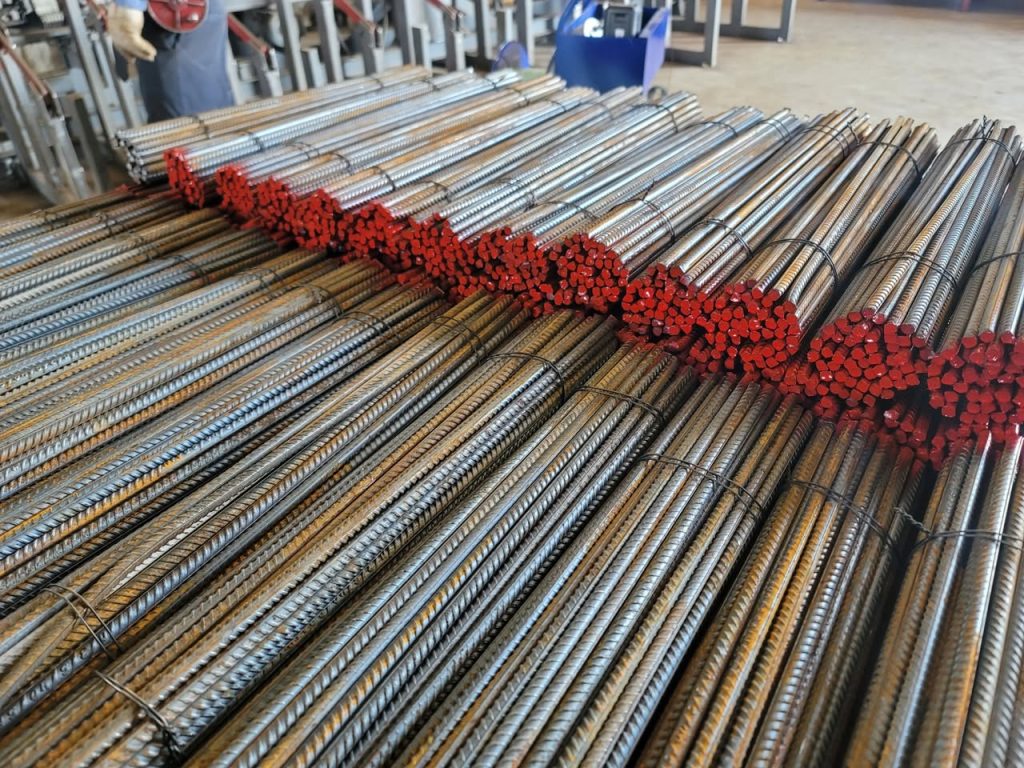
Rebar (short for reinforcing bar) is the traditional backbone of concrete reinforcement. It consists of steel rods embedded into the concrete, providing tensile strength to counteract the material’s natural weakness under tension.
Why choose Rebar?
- Proven reliability: Used extensively for decades, it’s a method that engineers and contractors trust to get the job done.
- Versatility: Rebar can work for a wide range of projects—from small-scale residential builds to massive bridges or dams.
- Familiarity: Most workforces are already skilled in working with rebar, making it easy to implement on-site without the need for specialized training.
- Durability: When applied correctly, it boosts a structure’s lifespan, ensuring durability over decades.
That said, rebar as a reinforcement method sometimes comes with constraints. When projects require longer spans, slimmer designs, or ultra-fast timelines, it may not always be the perfect fit.
What is Post Tensioning?
Post-tensioning is a more modern approach that uses high-strength steel cables (tendons) that are tensioned after the concrete has been poured and hardened. This method is widely valued for its ability to maximize the efficiency of materials and create slimmer, stronger, and lighter designs.
Why choose Post Tensioning?
- Design flexibility: Post-tensioning allows for longer spans, thinner slabs, and fewer support beams, resulting in sleek, open designs.
- Faster construction timelines: With fewer materials and innovative systems, you can move faster through certain phases of the build.
- Cost efficiency (in certain scenarios): Reduced materials can sometimes mean lighter foundations and lower material costs.
- Performance under stress: Post-tensioning reduces cracking, increases tensile strength, and allows the structure to adapt to changing loads effectively.
However, post-tensioning does often require specialized expertise, training, and equipment to successfully implement. Maintenance and repair also demand a unique skill set compared to traditional methods.
Hybrid Systems Are On the Rise
Why choose between rebar and post-tensioning when some projects could benefit from both? Hybrid systems, combining the strengths of rebar and post-tensioning, are becoming more common as projects grow in complexity. They allow engineers to balance cost, performance, and aesthetic requirements in a single design.
For instance:
- A parking structure might use post-tensioning for its long, open spans, but rely on rebar for areas with heavy concentrated loads.
- Residential buildings might use rebar in foundations while utilizing post-tensioned systems in slabs to allow for thinner floors and higher ceilings.
More and more, engineers, contractors, and builders are finding ways to leverage both methods to maximize the benefits of each.
How to Choose
Choosing between rebar, post-tensioning, or a hybrid solution requires a nuanced understanding of your project’s specific needs. Here’s what to consider:
- Structure type: Does your project require long, open spans or intricate, complex designs?
- Budget: While rebar projects may have lower upfront costs, post-tensioning can lead to savings in the long term due to reduced materials and maintenance needs.
- Schedule: Do you need fast turnaround times? Post-tensioning often speeds up the construction process.
- Team expertise: Does your team have experience working with post-tension systems, or would implementing this method require additional training?
At PTS Oklahoma, we’re here to help guide you through this decision-making process. With our expertise in both rebar and post-tension systems, we provide insights tailored to your project’s specific challenges and goals.
We’re Here to Support Your Projects
The future of construction is dynamic, and every project brings unique challenges. That’s why we prioritize flexibility and offer both rebar and post-tensioning solutions under one roof. Our mission isn’t to push a single method but to provide you with tools, products, and expertise that fit your specific needs.
We’d also love to open up the dialogue. Engineers, contractors, and builders in our industry, what trends are you seeing? Are hybrid systems becoming the go-to choice? What factors are influencing your preference for rebar or post-tensioning?
Drop your thoughts in the comments or reach out directly. At PTS Oklahoma, we believe that when we learn from each other, the entire industry benefits.
Need help deciding the best solution for your next project? Contact PTS Oklahoma today and discover how we can make your vision a reality.

No comment yet, add your voice below!