Post-Tension vs Rebar: What Builders, Engineers, and Owners Need to Know

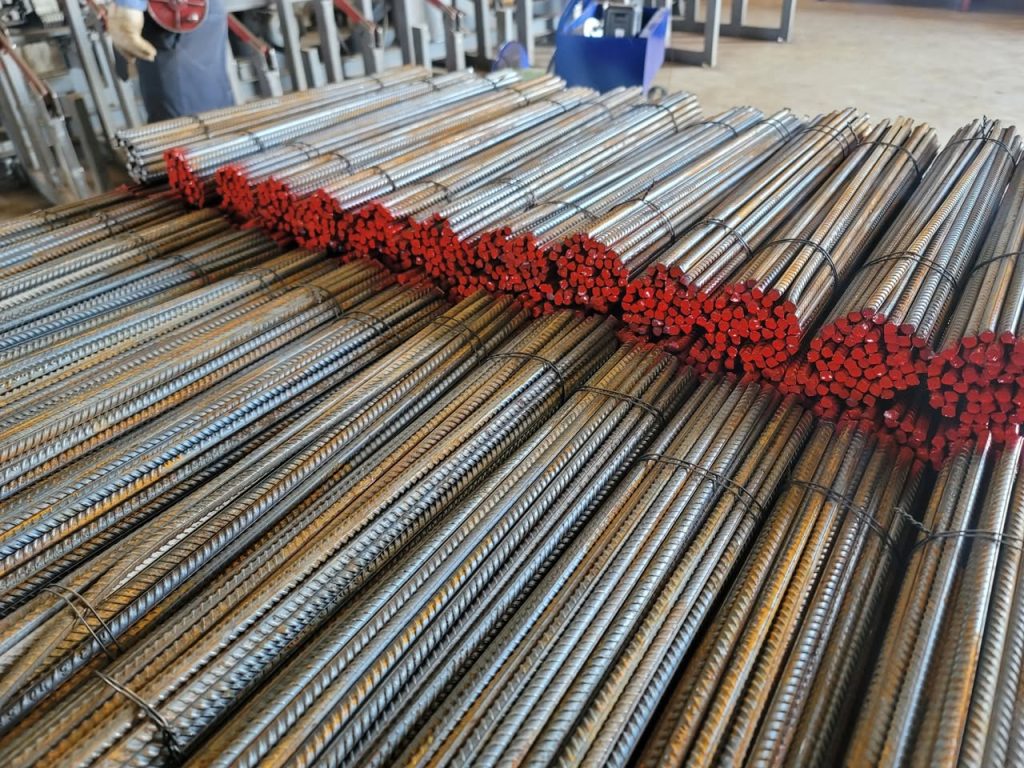
black and white rebar and post tension cables

When it comes to concrete construction in the United States, post-tension and rebar reinforcement systems are the backbone of strong, durable structures. From residential slabs to commercial buildings and parking garages, choosing the right reinforcement method directly impacts structural integrity, longevity, cost, and performance.

In this guide, we’ll break down what post-tension and rebar are, how they differ, where each is used best, and why professional installation matters.


What Is Post-Tension Concrete?

Post-tension concrete is a reinforced concrete system that uses high-strength steel tendons placed inside the slab before the concrete is poured. After the concrete reaches a specified strength, the tendons are stressed (tensioned) and anchored, compressing the concrete.

This compression helps counteract cracking and tensile forces.

Key Benefits of Post-Tension Systems

  • Reduced cracking and slab movement

  • Longer spans with fewer columns

  • Thinner slabs with equal or greater strength

  • Improved performance in expansive soils

  • Lower overall material usage

Post-tension is widely used across the U.S. in:

  • Residential foundations

  • Commercial buildings

  • Parking structures

  • High-rise construction

  • Industrial slabs


What Is Rebar Reinforcement?

Rebar (reinforcing steel) is the traditional method of strengthening concrete. Steel bars are placed in a grid pattern within the slab or structure before pouring concrete. Once cured, the rebar helps resist tensile forces that concrete alone cannot handle.

Benefits of Rebar in Concrete Construction

  • Proven, long-standing reinforcement method

  • Cost-effective for many applications

  • Excellent for footings, grade beams, walls, and columns

  • Performs well in heavy load-bearing applications

Rebar remains essential in:

  • Foundations and footings

  • Retaining walls

  • Bridge construction

  • Structural columns and beams


FeaturePost-TensionRebar
Crack ControlExcellentModerate
Slab ThicknessThinnerThicker
Spanning CapabilityLonger spansShorter spans
Material UsageReducedHigher
InstallationSpecializedTraditional
Long-Term PerformanceVery highHigh
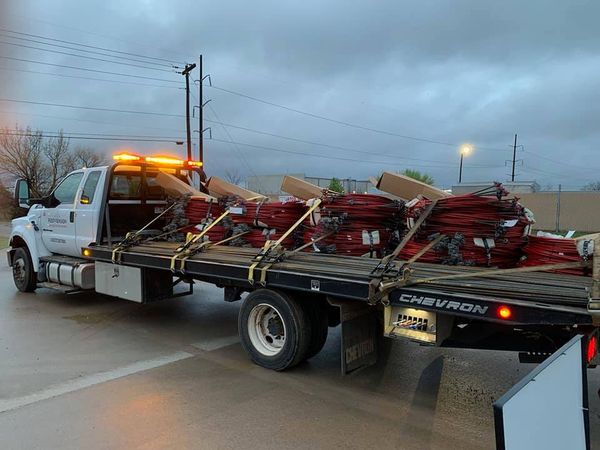
work truck out for delivery

In many modern projects, post-tension and rebar are used together to achieve optimal structural performance.


Why Professional Installation Matters

Improper installation of post-tension or rebar can lead to:

  • Structural cracking

  • Premature slab failure

  • Costly repairs

  • Safety risks

Post-tension systems in particular require:

  • Accurate tendon layout

  • Proper stressing procedures

  • Compliance with PTI (Post-Tensioning Institute) standards

  • Experienced crews and inspection coordination

This is why working with a qualified post-tension and rebar contractor is critical.


Common Applications of Post-Tension and Rebar in the U.S.

Residential Construction

  • Post-tension slabs are common in homes built on expansive clay soils

  • Rebar is used in grade beams, footings, and stem walls

Commercial & Industrial Projects

  • Large slab-on-grade floors

  • Warehouses and distribution centers

  • Office buildings and retail spaces

Infrastructure & Specialty Projects

  • Parking garages

  • Bridges

  • Elevated slabs

  • Multi-story buildings


Cost Considerations: Is Post-Tension More Expensive?

While post-tension systems may have a higher upfront engineering and installation cost, they often result in:

  • Reduced concrete volume

  • Less steel usage

  • Fewer structural elements

  • Lower long-term maintenance costs

In many cases, post-tension ends up being more cost-effective over the life of the structure.


Choosing the Right Reinforcement System

There is no one-size-fits-all solution. The best reinforcement system depends on:

  • Soil conditions

  • Load requirements

  • Building design

  • Budget

  • Local codes and engineering requirements

A knowledgeable post-tension and rebar contractor works closely with engineers, builders, and inspectors to ensure the right system is used for each project.


Why Experience in Post-Tension and Rebar Matters

Post-tension and rebar are not just materials — they are systems that require precision, planning, and expertise. From layout to stressing to final inspection, every step matters.

Choosing an experienced contractor ensures:

  • Code compliance

  • Structural safety

  • Long-term durability

  • On-time project completion


Final Thoughts

Post-tension and rebar continue to shape the future of concrete construction in America. When designed and installed correctly, they create structures that are stronger, more efficient, and built to last.

Whether you’re planning a residential foundation or a large-scale commercial project, understanding the role of post-tension and rebar reinforcement is the first step toward success.

What to Do When There’s a Rebar or Post-Tension Material Shortage — And Why Local Suppliers Might Be Your Best Bet

Post tension work truck.
In the construction world, delays cost money — and few delays hit harder than material shortages. Whether it’s rebar, post-tension cable, chairs, couplers, or any other critical structural supply, contractors across Oklahoma (and beyond) are feeling the sting of longer lead times and inconsistent stock from national distributors.

So what do you do when your project needs materials yesterday?

1. Start Local

One of the most overlooked solutions is partnering with a local material supplier that understands your deadlines, your jobsite logistics, and your urgency. At Post-Tension Services of Oklahoma, we’re based right here in Oklahoma, which means:

  • Free delivery in qualifying local areas

  • Faster turnaround times (we can often ship within 24–48 hours)

  •  A real team that works with you, not just for you

When your crew is on-site and the slab is ready, the last thing you want is to be stuck waiting on an out-of-state freight shipment.


2. Ask About Hard-to-Find Materials — We Might Have It

Post-tension systems are incredibly specialized, and not every supplier stocks what you need. From tendons and anchors to stock and fabricated rebar, expansion joints, tie wire, bar tie, nails, bolts strand, or grease-filled encapsulated systems, we keep a diverse inventory and often have access to items that other suppliers don’t.

We’ve helped contractors mid-project who were stuck waiting on national backorders — we jumped in and delivered within days.

If you’re wondering, “Where can I find post-tension cable or rebar near me or in-stock today?” — there’s a good chance the answer is right here.


3. Small Business Means Big Flexibility

We aren’t a big-box supplier. We’re a family-owned company, and that means we can move quickly, communicate clearly, and problem-solve when something goes sideways.

Our customers tell us that’s what makes the difference. We’re not just a warehouse — we’re a resource. Need to coordinate delivery times? Looking for help with quantity takeoffs? Is your original order short and you need backup fast? We do that.


4. What to Search When You Need Materials Fast

Here are some of the most commonly searched phrases from contractors looking for urgent supply solutions — and they all lead to us:

  • “Where to buy rebar near me today”

  • “Post-tension cable supplier in Oklahoma” rebar cables ready to ship

  • “Rebar delivery Oklahoma City”

  • “Buy construction materials fast Oklahoma”

  • “Need post-tension materials ASAP”

  • “Rebar in stock near me”

  • “Small batch rebar supplier”

If you’ve searched any of these, bookmark this page — or better yet, give us a call.


We’re Not Just Fast — We’re Trusted

Over the years, our reputation has grown because we focus on two things: relationship and reliability. You can count on us from start to finish. Whether you’re a GC, project manager, or concrete subcontractor — we make your job easier by making supply simple.


Need Material? Let’s Make It Happen.

If you’re working on a project — or about to start one — and want a supply partner you can actually depend on, we’re ready to help.

Post-Tension Services of Oklahoma
 Based in Oklahoma |  Shipping Available Anywhere
Call:  405-751-1582
Email: orders@ptsok.com
https://post-tensionservicesok.com/products/


If you’re tired of rebar and post-tension delays, give the little guy with the big follow-through a shot.

“Why Did My Concrete Crack?” – The Question No One Wants to Ask After Pour Day

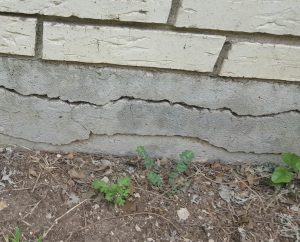
Faulty foundation with cracking.

If you’ve ever walked out onto your brand-new driveway, patio, or foundation slab only to see a crack forming way too soon, you’re not alone. Concrete cracks are one of the most searched questions online, especially by homeowners and first-time builders.

But here’s the thing: not all cracks mean failure—and most of them are 100% preventable.

Common Causes of Concrete Cracks

  1. Shrinkage Cracks – As concrete cures, it naturally shrinks. If not reinforced properly, this causes hairline cracks. Faulty foundation with cracking.

  2. Soil Movement – In areas like Oklahoma, shifting soils from clay or moisture wreak havoc on slabs.

  3. Overloading – Slabs that weren’t designed to carry enough weight (like heavy equipment or vehicles).

  4. Improper Reinforcement – Using the wrong type—or none at all.

  5. Temperature Swings – Concrete expands and contracts with heat, and that stress has to go somewhere


How We Help Prevent Cracks at PTS-OK

At Post-Tension Reinforcing, we’ve spent years perfecting the craft of slab reinforcement, and no—it’s not one-size-fits-all.

We assess your soil type, load requirements, layout, and timeline before recommending one of our two proven methods:

Rebar Reinforcement – Ideal for smaller or localized slabs where cost and control matter most.
Post-Tension Reinforcement – Best for large slabs, homes with active soil conditions, or clients wanting less cracking and longer lifespan.

Then we pair that with:

  • Professional crack control joint placement

  • Precise mix design tailored to weather & usage

  • A team that actually cares how your concrete looks in 10 years 


Why Our Clients Trust Us To Work With Them

We’re not just in the concrete business. We’re in the trust business. As a family-owned company, we take your project personally. You’ll see the difference in how we communicate, how we show up, and how we stand behind our work—long after the concrete has cured.

That’s what’s helped us grow into a larger company without ever becoming a “corporate machine.”
Relationships and reputation have built our foundation—and we don’t crack under pressure.


Let’s Reinforce Your Peace of Mind

Cracks don’t have to be part of your story. Let’s build it right the first time.

11733 N Morgan Road, Yukon, OK 73099
Phone: (405) 751-1582
email: orders@ptsok.com

Post-Tension Services of Oklahoma – Stronger Together, One Pour at a Time

Top 5 Concrete Slab Failures (and How Post-Tension & Rebar Prevent Them

Concrete slab cracking due to lack of reinforcement

Concrete is tough — but it’s not invincible.

Every year, builders and homeowners face costly repairs due to concrete slab failures that could have been prevented with the right reinforcement strategy.

In this post, we break down the five most common slab failures and show how post-tension systems and rebar keep your foundation (and your wallet) intact.

The Most Common Types of Concrete Slab Failures

  1. Cracking from Shrinkage

    • Happens as concrete cures

    • Solution: Proper jointing and rebar placement

  2. Heaving or Settling

    • Caused by poor subgrade or moisture changes

    • Solution: Post-tension slabs distribute loads more evenly

  3. Curling

    • Surface drying faster than the bottom

    • Solution: Post-tension cables resist slab lift

  4. Overloading

    • Especially in garages or industrial floors

    • Solution: Both rebar and PT can boost load capacity

  5. Corrosion of Reinforcement

    • Water and salts attack unprotected steel

    • Solution: Use coated rebar and ensure proper concrete cover 

How Rebar Solves Common Slab Issues

Rebar adds tensile strength to concrete, giving it the muscle to resist cracking and flexing under pressure.

Best Practices:

  • Use proper spacing and bar sizes

  • Elevate rebar off the ground (use chairs)

  • Avoid rebar overlap or gaps in critical zones

The Role of Post-Tensioning in Long-Term Durability

Post-tensioning helps the slab act as a single, compressed unit, minimizing cracking and deflection.

Advantages:

  • Reduces long-term maintenance

  • Helps in areas with soil movement

  • Cuts down on slab thickness and material costs

Signs You Might Have a Reinforcement Problem

If you notice any of these, your slab might be failing: Concrete slab cracking due to lack of reinforcement

  • Visible cracks spreading

  • Doors and windows sticking

  • Sloped or uneven floors

  • Water intrusion near foundation edges

Don’t wait — call a concrete specialist to inspect reinforcement failure before it gets worse.


Conclusion: Prevent Slab Failure Before It Starts

The right reinforcement isn’t just an upgrade — it’s a necessity.

At PTS Reinforcing, we don’t believe in shortcuts. Whether it’s custom-cut rebar or precision post-tension systems, we design every slab to perform under pressure.


Request a site evaluation today
Servicing all U.S locations!

What Grade of Rebar Should You Use? A Quick Guide

pictures of fabricated rebar
Whether you’re pouring a driveway, building a high-rise, or designing a bridge, choosing the right rebar is critical to the strength and longevity of your concrete structure.
But with different rebar grades, sizes, and types, it’s easy to get overwhelmed.
In this guide, we break it all down so you can choose the right rebar for your next project—quickly and confidently.

Rebar Grades Explained

Rebar grade refers to the minimum yield strength of the steel, measured in ksi (kilo pounds per square inch). The higher the grade, the stronger the rebar.

Common Rebar Grades:

GradeYield StrengthCommon Uses
Grade 4040,000 psiLight residential, sidewalks, patios
Grade 6060,000 psiMost common – foundations, footings, slabs
Grade 7575,000 psiBridges, heavy infrastructure
Grade 100 / 120100k–120k psiSpecialized, high-performance applications

Pro Tip: Grade 60 is the most widely used rebar in construction today due to its balance of strength, availability, and cost.


What Do Rebar Numbers Mean? (#4, #5, etc.)

The rebar size number refers to the diameter of the bar in 1/8-inch increments.

Rebar Size Chart (Most Common Sizes):

Rebar #Diameter (in)Area (sq in)Common Use
#33/8″0.11Slabs, driveways, patios
#41/2″0.20Foundation walls, footings
#55/8″0.31Columns, beams, thicker slabs
#6–#83/4″–1″0.44–0.79Heavy load or commercial use
Still wondering #4 vs #5 rebar?
Use #4 for residential work, and #5 or higher for structural load-bearing elements.

stock rebarfabricated rebar


Types of Rebar: What’s the Difference?

Not all rebar is just black steel. Depending on your environment and project type, you may need something more durable.

Rebar Types:

  • Black Steel Rebar – Standard, most cost-effective

  • Epoxy-Coated Rebar – Green coating to resist corrosion in moisture-heavy areas

  • Stainless Steel Rebar – Extremely corrosion-resistant, expensive

  • GFRP Rebar – Fiberglass, non-metallic, rust-proof, ideal for chemical environments

  • Welded Wire Mesh (WWM) – Pre-fabricated reinforcement for slabs and panels


How to Choose the Right Rebar for Your Project

Here’s a quick checklist to guide you:

QuestionRecommendation
Is the structure load-bearing?Use Grade 60 or higher, size #4–#8
Is it in a corrosive or coastal environment?Use epoxy-coated or stainless steel
Is it for a residential flatwork slab?#3 or #4, Grade 40 or 60 is typically sufficient
Are weight savings important?Consider GFRP
Budget a top concern?Go with black steel, Grade 60, if conditions allow

Final Thoughts

Understanding rebar grades, sizes, and types is essential to ensure your concrete structure performs as intended—and lasts.

  • Use the right grade for strength

  • Choose the right size for load

  • Don’t forget coating or corrosion resistance in harsh environments. 


Need help choosing rebar for your next job?

We supply all major rebar grades, sizes, and types—and we’re happy to walk you through specs or get you a fast quote.

Contact us today to talk to a rebar expert

Rebar or Post Tensioning

Rebar or Post Tension

When it comes to construction, one of the fundamental questions you’ll face early in a project is this: Rebar or Post Tensioning? While both approaches are tried-and-true in their applications, what sets them apart is how they fit the unique requirements of each structure. The answer often lies in understanding the specific needs of your project.

At PTS Oklahoma, we don’t advocate for one method over the other. Instead, we believe in offering tailored solutions that align with your structure, budget, and timeline. Whether you’re designing for enduring reliability or innovative flexibility, we walk the line between these methods to help you make an informed choice.

What is Rebar?

Rebar (short for reinforcing bar) is the traditional backbone of concrete reinforcement. It consists of steel rods embedded into the concrete, providing tensile strength to counteract the material’s natural weakness under tension.

Why choose Rebar?

  • Proven reliability: Used extensively for decades, it’s a method that engineers and contractors trust to get the job done.
  • Versatility: Rebar can work for a wide range of projects—from small-scale residential builds to massive bridges or dams.
  • Familiarity: Most workforces are already skilled in working with rebar, making it easy to implement on-site without the need for specialized training.
  • Durability: When applied correctly, it boosts a structure’s lifespan, ensuring durability over decades.

That said, rebar as a reinforcement method sometimes comes with constraints. When projects require longer spans, slimmer designs, or ultra-fast timelines, it may not always be the perfect fit.

Rebar

What is Post Tensioning?

Post-tensioning is a more modern approach that uses high-strength steel cables (tendons) that are tensioned after the concrete has been poured and hardened. This method is widely valued for its ability to maximize the efficiency of materials and create slimmer, stronger, and lighter designs.

Why choose Post Tensioning?

  • Design flexibility: Post-tensioning allows for longer spans, thinner slabs, and fewer support beams, resulting in sleek, open designs.
  • Faster construction timelines: With fewer materials and innovative systems, you can move faster through certain phases of the build.
  • Cost efficiency (in certain scenarios): Reduced materials can sometimes mean lighter foundations and lower material costs.
  • Performance under stress: Post-tensioning reduces cracking, increases tensile strength, and allows the structure to adapt to changing loads effectively.

However, post-tensioning does often require specialized expertise, training, and equipment to successfully implement. Maintenance and repair also demand a unique skill set compared to traditional methods.

Hybrid Systems Are On the Rise

Why choose between rebar and post-tensioning when some projects could benefit from both? Hybrid systems, combining the strengths of rebar and post-tensioning, are becoming more common as projects grow in complexity. They allow engineers to balance cost, performance, and aesthetic requirements in a single design.

For instance:

  • A parking structure might use post-tensioning for its long, open spans, but rely on rebar for areas with heavy concentrated loads.
  • Residential buildings might use rebar in foundations while utilizing post-tensioned systems in slabs to allow for thinner floors and higher ceilings.

More and more, engineers, contractors, and builders are finding ways to leverage both methods to maximize the benefits of each.

How to Choose

Choosing between rebar, post-tensioning, or a hybrid solution requires a nuanced understanding of your project’s specific needs. Here’s what to consider:

  • Structure type: Does your project require long, open spans or intricate, complex designs?
  • Budget: While rebar projects may have lower upfront costs, post-tensioning can lead to savings in the long term due to reduced materials and maintenance needs.
  • Schedule: Do you need fast turnaround times? Post-tensioning often speeds up the construction process.
  • Team expertise: Does your team have experience working with post-tension systems, or would implementing this method require additional training?

At PTS Oklahoma, we’re here to help guide you through this decision-making process. With our expertise in both rebar and post-tension systems, we provide insights tailored to your project’s specific challenges and goals.

We’re Here to Support Your Projects

The future of construction is dynamic, and every project brings unique challenges. That’s why we prioritize flexibility and offer both rebar and post-tensioning solutions under one roof. Our mission isn’t to push a single method but to provide you with tools, products, and expertise that fit your specific needs.

We’d also love to open up the dialogue. Engineers, contractors, and builders in our industry, what trends are you seeing? Are hybrid systems becoming the go-to choice? What factors are influencing your preference for rebar or post-tensioning?

Drop your thoughts in the comments or reach out directly. At PTS Oklahoma, we believe that when we learn from each other, the entire industry benefits.

Need help deciding the best solution for your next project? Contact PTS Oklahoma today and discover how we can make your vision a reality.

Rebar vs. Post-Tension Cables: Choosing the Right Reinforcement for Your Project

Rebar vs. Post-Tension Cables

When it comes to concrete construction, strength and durability aren’t just desirable—they’re essential. One of the biggest decisions you’ll face is choosing the right reinforcement method for your project. Rebar and post-tension cables are two of the most commonly used options, each with distinct advantages depending on the structure you’re building. Here’s what you need to know to make the best choice.

Continue reading