When it comes to concrete construction in the United States, post-tension and rebar reinforcement systems are the backbone of strong, durable structures. From residential slabs to commercial buildings and parking garages, choosing the right reinforcement method directly impacts structural integrity, longevity, cost, and performance.
In this guide, we’ll break down what post-tension and rebar are, how they differ, where each is used best, and why professional installation matters.
What Is Post-Tension Concrete?
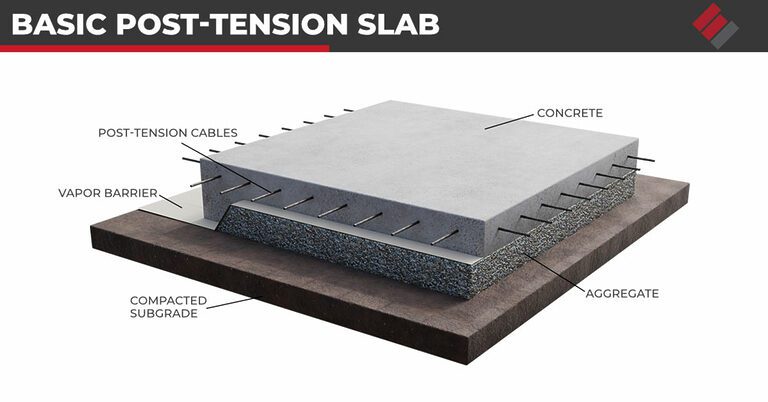
Post-tension concrete is a reinforced concrete system that uses high-strength steel tendons placed inside the slab before the concrete is poured. After the concrete reaches a specified strength, the tendons are stressed (tensioned) and anchored, compressing the concrete.
This compression helps counteract cracking and tensile forces.
Key Benefits of Post-Tension Systems
Reduced cracking and slab movement
Longer spans with fewer columns
Thinner slabs with equal or greater strength
Improved performance in expansive soils
Lower overall material usage
Post-tension is widely used across the U.S. in:
Residential foundations
Commercial buildings
Parking structures
High-rise construction
Industrial slabs
What Is Rebar Reinforcement?
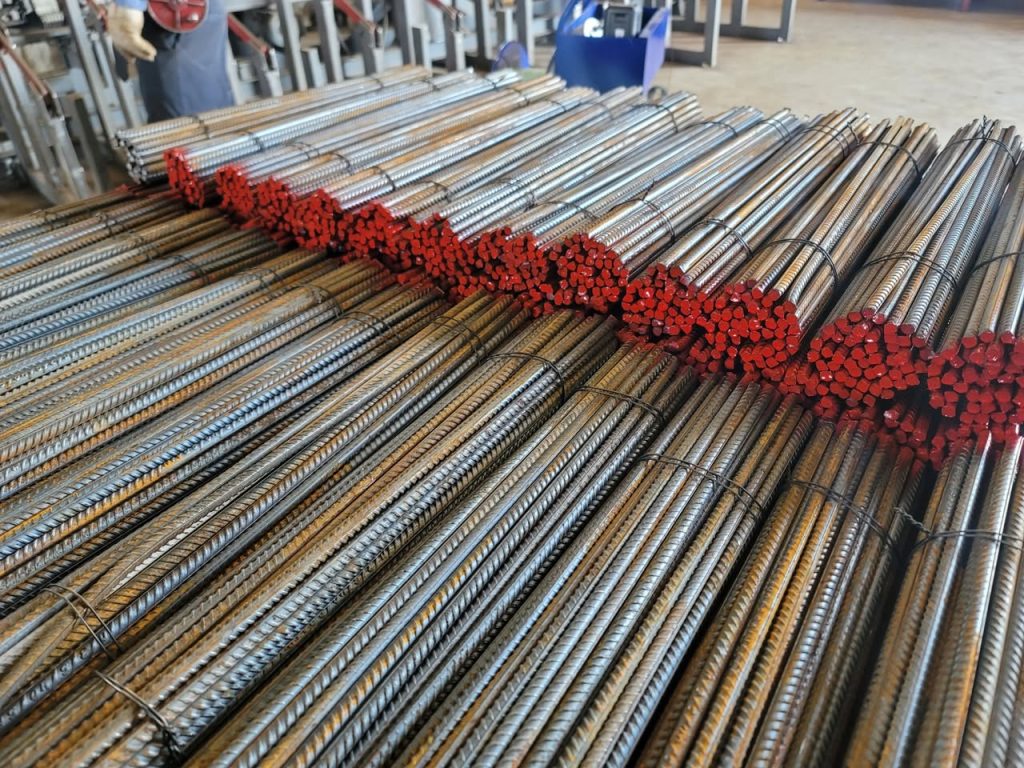
Rebar (reinforcing steel) is the traditional method of strengthening concrete. Steel bars are placed in a grid pattern within the slab or structure before pouring concrete. Once cured, the rebar helps resist tensile forces that concrete alone cannot handle.
Benefits of Rebar in Concrete Construction
Proven, long-standing reinforcement method
Cost-effective for many applications
Excellent for footings, grade beams, walls, and columns
Performs well in heavy load-bearing applications
Rebar remains essential in:
Foundations and footings
Retaining walls
Bridge construction
Structural columns and beams
| Feature | Post-Tension | Rebar |
|---|---|---|
| Crack Control | Excellent | Moderate |
| Slab Thickness | Thinner | Thicker |
| Spanning Capability | Longer spans | Shorter spans |
| Material Usage | Reduced | Higher |
| Installation | Specialized | Traditional |
| Long-Term Performance | Very high | High |

In many modern projects, post-tension and rebar are used together to achieve optimal structural performance.
Why Professional Installation Matters
Improper installation of post-tension or rebar can lead to:
Structural cracking
Premature slab failure
Costly repairs
Safety risks
Post-tension systems in particular require:
Accurate tendon layout
Proper stressing procedures
Compliance with PTI (Post-Tensioning Institute) standards
Experienced crews and inspection coordination
This is why working with a qualified post-tension and rebar contractor is critical.
Common Applications of Post-Tension and Rebar in the U.S.
Residential Construction
Post-tension slabs are common in homes built on expansive clay soils
Rebar is used in grade beams, footings, and stem walls
Commercial & Industrial Projects
Large slab-on-grade floors
Warehouses and distribution centers
Office buildings and retail spaces
Infrastructure & Specialty Projects
Parking garages
Bridges
Elevated slabs
Multi-story buildings
Cost Considerations: Is Post-Tension More Expensive?
While post-tension systems may have a higher upfront engineering and installation cost, they often result in:
Reduced concrete volume
Less steel usage
Fewer structural elements
Lower long-term maintenance costs
In many cases, post-tension ends up being more cost-effective over the life of the structure.
Choosing the Right Reinforcement System
There is no one-size-fits-all solution. The best reinforcement system depends on:
Soil conditions
Load requirements
Building design
Budget
Local codes and engineering requirements
A knowledgeable post-tension and rebar contractor works closely with engineers, builders, and inspectors to ensure the right system is used for each project.
Why Experience in Post-Tension and Rebar Matters
Post-tension and rebar are not just materials — they are systems that require precision, planning, and expertise. From layout to stressing to final inspection, every step matters.
Choosing an experienced contractor ensures:
Code compliance
Structural safety
Long-term durability
On-time project completion
Final Thoughts
Post-tension and rebar continue to shape the future of concrete construction in America. When designed and installed correctly, they create structures that are stronger, more efficient, and built to last.
Whether you’re planning a residential foundation or a large-scale commercial project, understanding the role of post-tension and rebar reinforcement is the first step toward success.