

When it comes to building on Oklahoma soil, one thing is certain: the ground is anything but predictable. With high clay content and frequent moisture shifts, Oklahoma’s soil presents real challenges for builders, engineers, and property owners alike. Cracking slabs, foundation movement, and structural stress are common issues—but the right reinforcement system can make a world of difference.
In this post, we explain why post-tensioned concrete slabs are particularly well-suited for Oklahoma’s unique soil conditions, what to watch for in long-term maintenance, and why working with local suppliers matters.
Understanding the Problem: Expansive Clay Soils
Much of Oklahoma is built on expansive clay soil—also known as “shrink-swell” soil. This type of soil expands significantly when wet and contracts as it dries. That constant movement beneath a concrete slab can cause it to shift, crack, or settle unevenly over time.
In traditional rebar-reinforced slabs, this movement often leads to visible surface cracks, misaligned door frames, and costly repairs. That’s where post-tensioning offers a critical advantage.
Why Post-Tension Is the Solution
1. Compression Holds It Together
Post-tensioned slabs are reinforced with high-strength steel cables that are tensioned after the concrete cures. This tensioning places the slab under constant compression, making it far more resistant to the forces of soil movement.
2. Thinner, Stronger Slabs
Because of their enhanced strength, post-tensioned slabs can be thinner than traditional slabs while still resisting cracking. That means fewer materials, less excavation, and better long-term performance.
3. Better Control Over Slab Movement
The even distribution of post-tensioning forces helps the entire slab act as a unified structure, reducing localized failures caused by uneven soil expansion or contraction.
Maintenance Tips for Post-Tension Slabs in Oklahoma
Even with a post-tensioned system, maintenance matters. Here’s how to keep your slab performing its best in shifting soils:
Maintain consistent moisture around the foundation. Avoid letting one side of the house stay dry while another side is soaked.
Proper drainage is key. Ensure that gutters, downspouts, and grading move water away from the slab.
Avoid deep-rooted landscaping near foundations. Trees and shrubs can extract moisture from the soil unevenly, causing shifts.
Avoid drilling or cutting into the slab without proper location of cables via ground-penetrating radar (GPR).
Why Local Suppliers Matter
Choosing a local post-tension and rebar supplier isn’t just about convenience—it’s about local knowledge. At Post-Tension Services of Oklahoma, we understand: 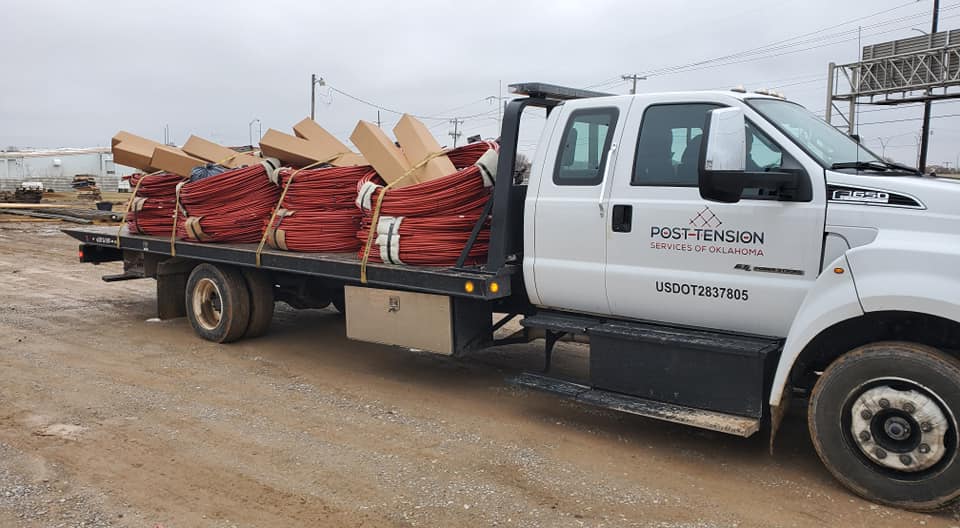
Regional soil behavior, so we can make informed recommendations on cable layout and reinforcement techniques.
Project-specific needs, whether you’re building residential homes, parking garages, or commercial foundations.
Timely delivery, staged by pour phase to reduce clutter and material loss on your job site.
Our fabrication and delivery crews work closely with contractors across the region, and we’re always ready to adapt to last-minute changes—because we know construction doesn’t always go to plan.
Final Thoughts
Oklahoma’s soil can be tough, but your foundation doesn’t have to be. Post-tensioned slabs are one of the most reliable ways to protect your structure from the stress of shifting ground. With proper design, installation, and maintenance, they offer long-term durability and peace of mind.
Need help planning your next project? Post-Tension Services of Oklahoma is here to guide you every step of the way—from layout and fabrication to final pour.
Contact us today to learn more about post-tension solutions built specifically for Oklahoma’s challenging soils.

No comment yet, add your voice below!