What Grade of Rebar Should You Use? A Quick Guide

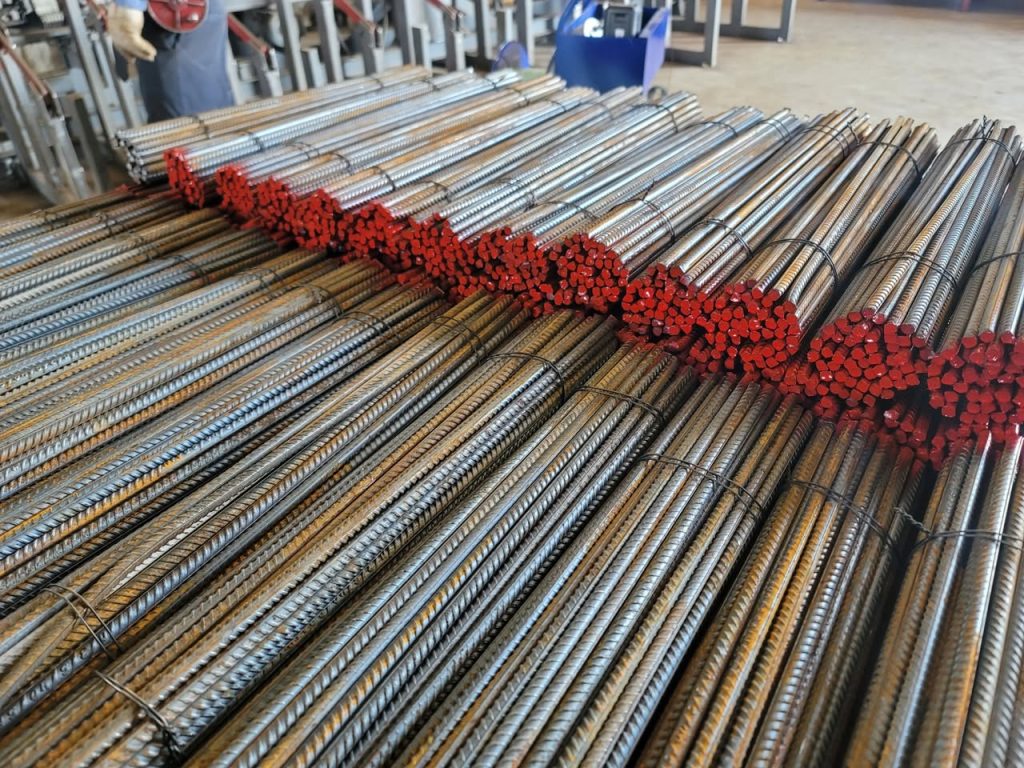
pictures of fabricated rebar
Whether you’re pouring a driveway, building a high-rise, or designing a bridge, choosing the right rebar is critical to the strength and longevity of your concrete structure.
But with different rebar grades, sizes, and types, it’s easy to get overwhelmed.
In this guide, we break it all down so you can choose the right rebar for your next project—quickly and confidently.

Rebar Grades Explained

Rebar grade refers to the minimum yield strength of the steel, measured in ksi (kilo pounds per square inch). The higher the grade, the stronger the rebar.

Common Rebar Grades:

GradeYield StrengthCommon Uses
Grade 4040,000 psiLight residential, sidewalks, patios
Grade 6060,000 psiMost common – foundations, footings, slabs
Grade 7575,000 psiBridges, heavy infrastructure
Grade 100 / 120100k–120k psiSpecialized, high-performance applications

Pro Tip: Grade 60 is the most widely used rebar in construction today due to its balance of strength, availability, and cost.


What Do Rebar Numbers Mean? (#4, #5, etc.)

The rebar size number refers to the diameter of the bar in 1/8-inch increments.

Rebar Size Chart (Most Common Sizes):

Rebar #Diameter (in)Area (sq in)Common Use
#33/8″0.11Slabs, driveways, patios
#41/2″0.20Foundation walls, footings
#55/8″0.31Columns, beams, thicker slabs
#6–#83/4″–1″0.44–0.79Heavy load or commercial use
Still wondering #4 vs #5 rebar?
Use #4 for residential work, and #5 or higher for structural load-bearing elements.

stock rebarfabricated rebar


Types of Rebar: What’s the Difference?

Not all rebar is just black steel. Depending on your environment and project type, you may need something more durable.

Rebar Types:

  • Black Steel Rebar – Standard, most cost-effective

  • Epoxy-Coated Rebar – Green coating to resist corrosion in moisture-heavy areas

  • Stainless Steel Rebar – Extremely corrosion-resistant, expensive

  • GFRP Rebar – Fiberglass, non-metallic, rust-proof, ideal for chemical environments

  • Welded Wire Mesh (WWM) – Pre-fabricated reinforcement for slabs and panels


How to Choose the Right Rebar for Your Project

Here’s a quick checklist to guide you:

QuestionRecommendation
Is the structure load-bearing?Use Grade 60 or higher, size #4–#8
Is it in a corrosive or coastal environment?Use epoxy-coated or stainless steel
Is it for a residential flatwork slab?#3 or #4, Grade 40 or 60 is typically sufficient
Are weight savings important?Consider GFRP
Budget a top concern?Go with black steel, Grade 60, if conditions allow

Final Thoughts

Understanding rebar grades, sizes, and types is essential to ensure your concrete structure performs as intended—and lasts.

  • Use the right grade for strength

  • Choose the right size for load

  • Don’t forget coating or corrosion resistance in harsh environments. 


Need help choosing rebar for your next job?

We supply all major rebar grades, sizes, and types—and we’re happy to walk you through specs or get you a fast quote.

Contact us today to talk to a rebar expert

How to Avoid Common Post-Tensioning Failures (And What Causes Them)

Cracked foundation and pt cables
Post-tensioning offers powerful advantages—longer spans, thinner slabs, and tighter crack control. But like any system, it’s only as reliable as its design, installation, and maintenance. When things go wrong, post-tension slab failure can lead to costly delays, safety hazards, and even legal liability.

In this post, we’ll break down:

  • What causes post-tension cable failure

  • The most common post-tension issues

  • And how to avoid them from the start

Let’s help you protect your projects, your timeline, and your reputation.


What Causes Post-Tension Failures?

Most post-tensioning failures aren’t due to bad materials—they’re due to preventable errors in the field or during design.

Here are the top causes:

1. Improper Cable Placement

Cables that are installed out of alignment or with incorrect drape profiles can create unintended stress zones. This reduces structural performance and can lead to slab cracking or excessive deflection.

2. Insufficient Concrete Cover

Without the correct concrete cover, post-tension cables are vulnerable to corrosion—especially in wet or coastal environments. Corrosion leads to strand deterioration and can eventually cause a post tension cable to break.

3. Poor Grouting or Greasing

In bonded systems, improper grouting can leave voids around tendons, leading to water ingress and corrosion. In unbonded systems, improper greasing or sheathing can reduce flexibility and cause tendon lock-up during stressing. Cross-section diagram of a post-tension slab showing cables and anchor points

4. Overstressing or Understressing

If cables are overstressed, they may snap or over-compress the concrete. If understressed, the system won’t develop the internal forces needed to counteract loads—leading to slab sagging or early cracking.

5. Inadequate Edge Protection

Cables extending to the slab edge need proper anchorage protection. If these anchor zones are left exposed or poorly detailed, water and air can penetrate, starting corrosion at the most critical point.


How to Prevent Post-Tension Failures

Avoiding common post-tensioning issues comes down to precision, protection, and oversight.

1. Follow PT Design Specs to the Letter

Always refer to the post-tensioning shop drawings and profiles during layout. Don’t guess cable locations—small misalignments can cause big problems.

2. Use High-Quality Materials

Work with a trusted post-tension material supplier to ensure you’re using certified strand, anchors, ducts, and grease. Inferior or uncertified products increase your long-term risk.

3. Enforce Tight Field Supervision

Have experienced PT field supervisors on site during installation and stressing. They can catch:

  • Improper anchorage alignment

  • Sloppy formwork

  • Unprotected ducts

  • Incomplete tendon tails

4. Test, Inspect, Document

Use a tension gauge to verify stressing force. Document all tensioning procedures and cable elongations—this is critical for engineering sign-off and liability protection.

5. Protect Anchors and Tendon Ends

Always cover anchor heads with grout caps or grease caps and apply rust inhibitor. Don’t leave exposed tails or incomplete encapsulation at slab edges.


Real Consequences of PT Failures

Here’s why it matters:

  • Delays: A failed PT slab could delay an entire structure by weeks or months.

  • Liability: Engineering and contractor firms can face legal claims if a structure experiences post-tension cable breaks or long-term service issues.

  • Cost: Slab repair or replacement costs can exceed six figures depending on the scale of failure.


Final Thoughts: Plan Ahead to Avoid Post-Tension Slab Failure

Post-tensioning is an incredibly effective structural system—when done right. Understanding and avoiding the most common post-tension issues can protect your budget, your schedule, and most importantly, the safety of your structure.

Need materials or support for your next post-tension project?

We supply certified, high-quality post-tension systems and provide expert support to help you get the job done right—on time and up to spec.

Contact us today for pricing, consultation, or jobsite delivery.

Rebar or Post Tensioning

Rebar or Post Tension

When it comes to construction, one of the fundamental questions you’ll face early in a project is this: Rebar or Post Tensioning? While both approaches are tried-and-true in their applications, what sets them apart is how they fit the unique requirements of each structure. The answer often lies in understanding the specific needs of your project.

At PTS Oklahoma, we don’t advocate for one method over the other. Instead, we believe in offering tailored solutions that align with your structure, budget, and timeline. Whether you’re designing for enduring reliability or innovative flexibility, we walk the line between these methods to help you make an informed choice.

What is Rebar?

Rebar (short for reinforcing bar) is the traditional backbone of concrete reinforcement. It consists of steel rods embedded into the concrete, providing tensile strength to counteract the material’s natural weakness under tension.

Why choose Rebar?

  • Proven reliability: Used extensively for decades, it’s a method that engineers and contractors trust to get the job done.
  • Versatility: Rebar can work for a wide range of projects—from small-scale residential builds to massive bridges or dams.
  • Familiarity: Most workforces are already skilled in working with rebar, making it easy to implement on-site without the need for specialized training.
  • Durability: When applied correctly, it boosts a structure’s lifespan, ensuring durability over decades.

That said, rebar as a reinforcement method sometimes comes with constraints. When projects require longer spans, slimmer designs, or ultra-fast timelines, it may not always be the perfect fit.

Rebar

What is Post Tensioning?

Post-tensioning is a more modern approach that uses high-strength steel cables (tendons) that are tensioned after the concrete has been poured and hardened. This method is widely valued for its ability to maximize the efficiency of materials and create slimmer, stronger, and lighter designs.

Why choose Post Tensioning?

  • Design flexibility: Post-tensioning allows for longer spans, thinner slabs, and fewer support beams, resulting in sleek, open designs.
  • Faster construction timelines: With fewer materials and innovative systems, you can move faster through certain phases of the build.
  • Cost efficiency (in certain scenarios): Reduced materials can sometimes mean lighter foundations and lower material costs.
  • Performance under stress: Post-tensioning reduces cracking, increases tensile strength, and allows the structure to adapt to changing loads effectively.

However, post-tensioning does often require specialized expertise, training, and equipment to successfully implement. Maintenance and repair also demand a unique skill set compared to traditional methods.

Hybrid Systems Are On the Rise

Why choose between rebar and post-tensioning when some projects could benefit from both? Hybrid systems, combining the strengths of rebar and post-tensioning, are becoming more common as projects grow in complexity. They allow engineers to balance cost, performance, and aesthetic requirements in a single design.

For instance:

  • A parking structure might use post-tensioning for its long, open spans, but rely on rebar for areas with heavy concentrated loads.
  • Residential buildings might use rebar in foundations while utilizing post-tensioned systems in slabs to allow for thinner floors and higher ceilings.

More and more, engineers, contractors, and builders are finding ways to leverage both methods to maximize the benefits of each.

How to Choose

Choosing between rebar, post-tensioning, or a hybrid solution requires a nuanced understanding of your project’s specific needs. Here’s what to consider:

  • Structure type: Does your project require long, open spans or intricate, complex designs?
  • Budget: While rebar projects may have lower upfront costs, post-tensioning can lead to savings in the long term due to reduced materials and maintenance needs.
  • Schedule: Do you need fast turnaround times? Post-tensioning often speeds up the construction process.
  • Team expertise: Does your team have experience working with post-tension systems, or would implementing this method require additional training?

At PTS Oklahoma, we’re here to help guide you through this decision-making process. With our expertise in both rebar and post-tension systems, we provide insights tailored to your project’s specific challenges and goals.

We’re Here to Support Your Projects

The future of construction is dynamic, and every project brings unique challenges. That’s why we prioritize flexibility and offer both rebar and post-tensioning solutions under one roof. Our mission isn’t to push a single method but to provide you with tools, products, and expertise that fit your specific needs.

We’d also love to open up the dialogue. Engineers, contractors, and builders in our industry, what trends are you seeing? Are hybrid systems becoming the go-to choice? What factors are influencing your preference for rebar or post-tensioning?

Drop your thoughts in the comments or reach out directly. At PTS Oklahoma, we believe that when we learn from each other, the entire industry benefits.

Need help deciding the best solution for your next project? Contact PTS Oklahoma today and discover how we can make your vision a reality.